What You Need to Know About Getting Your First Tattoo
-

- February 26, 2023

The decision to get a tattoo is one that should not be made lightly. It is an act of artistry and expression, but it can also be a source of regret if done without careful consideration, which is why the law states you have to be 18 or over.
Firstly lets define a tattoo, it’s the art form of inserting tattoo ink, dyes, and/or pigments into the dermis layer of the skin usually to an agreed design which is layered on. There are several tattooing processes and techniques, including hand-tapped traditional tattoos and modern tattoo machines.
Tattoos are more than just pictures on the skin; they are visual stories that tell personal narratives with each stroke of the needle. From bold script lettering to intricate illustrations, tattoos can capture a wide spectrum of meaning and emotion in their designs. The tattoo goes back to Neolithic times and across the globe and cultures.
Before getting inked, it’s important to do your research and find an artist who understands your vision for the artwork you want permanently etched onto your body.
Firstly lets quickly cover the cons, because they are important:
- It’s permanent
- It’s painful
- It may create issues with employment if overly visible, rude or crude
It takes courage to make the commitment of getting a tattoo, but it can also be incredibly liberating! This guide will provide all the knowledge necessary to make sure that when you decide to get inked, you’ll have all the confidence needed to ensure that your first tattoo experience is a positive one full of joy and satisfaction.
Research Tattoo Shops and Artists
Okay, so lets move on and assume this is not a whim but a long term yearning. Researching the right shop and ensuring a good tattoo artist is essential to getting the look you want, so it pays to do your homework. Tattoo artists are not all equal, and steady hands are key to clean lines.
To begin with, start by looking into local shops and online reviews of the better tattoo shop. Not all studios are created equal; some prioritize safety, offer more variety in terms of design options, or have artists known for certain styles such as traditional or neo-traditional. If any shops in your area specialize in the style you’re looking for, then definitely check them out. If possible, try to visit the shop in person before making an appointment—seeing their setup can give you a better idea of their professionalism and commitment to cleanliness.
You also need to research the specific artist or artists who work at the tattoo parlour, not all artists specialize in every style of tattooing. To get an idea of their skill level and style, take a look at their portfolio, which should be available on their website or social media page. This will give you an idea of whether they can create what you’re envisioning for your first tattoo. You should also read reviews from other clients who have gotten tattoos from them, this will let you know about their customer service skills and how satisfied others have been with their work.

Consider The Placement of Your Tattoo
Where you choose to place your tattoo is an important decision as your placement will impact the design, visibility, and overall look of the tattoo. Placement should be thought out carefully; it will be permanent.
The most chosen body area for a first tattoo is the arm. The arms are easily accessible and offer plenty of space for larger designs. However, for those who want something that can easily be hidden, a smaller design on the inner wrist or ankle can be more suitable. If you are choosing a larger design for your arm, consider the location and size carefully to ensure it fits in with your lifestyle.
Other popular placements include the back, chest, neck, and shoulders. Each of these placements offers unique advantages depending on your goals for the tattoo. For example, if you want a more visible design, then placement on the chest or back may be best; however, if you prefer something more discreet then placement on the ankle may be better suited to your style. Ultimately, it’s important to think about how much visibility you want from your tattoo before deciding where you would like it placed.
Plan Your Design
As you plan your design, consider the symbolism behind it so that it reflects something meaningful to you. The allusion of a butterfly can evoke feelings of transformation, while a rose may symbolize love or beauty. You can also think about the size, colour, and font for the text or words you want to be included in the design.
When selecting an image or text for your tattoo, look at examples from other people who have tattoos like what you want. This will help ensure that it looks exactly as you envision it when it’s complete. Additionally, take time to research reputable artists in your area who specialize in tattoos and read customer reviews before making any decisions. Ultimately, make sure that you are comfortable with the design and artist before committing to anything!
Understand The Costs Involved
When getting your first tattoo, it is important to understand the costs involved. Prices vary depending on the size, complexity and location of the design. Simple designs cost less than more detailed ones. The cost also depends on the artist; experienced tattooists often charge more than those who are just beginning their careers.
Another factor that affects prices is the time it takes for a tattoo to be completed. Smaller tattoos can usually be finished in one session, while large or complex pieces may require multiple sessions. It is important to discuss these elements with your chosen artist beforehand so that you can get an accurate estimate of what your tattoo will cost.
Prepare For the Procedure
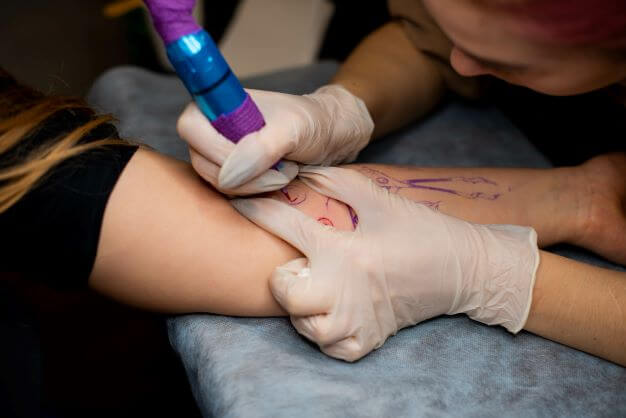
Before you step foot in the studio, there are a few steps you should take to ensure that the procedure goes as smoothly as possible. How you prepare for the procedure will depend on where you’re getting it done and what kind of design you’ve chosen.
Firstly, make sure that your skin is in good condition. Cleanse the area with antibacterial soap and shave or wax if necessary. You may also want to apply a numbing cream a few hours before your appointment to reduce discomfort during the tattooing process.
Secondly, be mindful of what you eat and drink before your appointment. Eating a light meal will help keep your blood sugar levels up while avoiding any food or drink that might thin out your blood such as caffeine, aspirin or alcohol. Additionally, make sure to get plenty of rest beforehand so that you don’t feel drained during the session.
Choose An Experienced Artist
Choosing an experienced artist to perform your first tattoo is essential. It may feel like a coincidence that you stumbled across the perfect artist for your needs, but when it comes to this type of body modification, there’s no room for chance. Your artist should be able to offer a safe and comfortable environment and be knowledgeable about the entire process.
When selecting an artist, check their portfolio for style and quality of work. Make sure that their work is current and up to date with modern safety standards. If possible, talk directly with the artist who will be doing the work and ask questions about their experience level and any special techniques they use. Most importantly, don’t be afraid to trust your gut instinct!
Be Prepared for Pain
Pain is inevitable when getting a tattoo, but there are ways to make sure you can manage it better. One important factor is to choose an experienced artist who knows how to work with your skin type and can help minimize the discomfort. Your artist should also understand your design and expectations from the tattoo so that they can take the necessary steps to give you the results you want.
Make sure to do plenty of research beforehand and go over all the details with your artist so that you can be as prepared as possible for the experience. Listen to their advice, as location of the tattoo will vary for your pain tolerance.

Follow Pre- and Post-Tattoo Care Instructions
This is just as important as preparing for the actual procedure and being aware of the pain involved. Taking the time to understand and follow these instructions can help ensure that your tattoo heals properly and looks great for many years.
Before you get your tattoo, talk to your artist about any specific instructions they might have for you. These could include things like not eating or drinking before the procedure and avoiding certain skincare products that could interfere with the process. It is also important to make sure you are healthy before getting a tattoo; if you have any cold or flu symptoms, plan to wait until those pass before getting inked.
Once your tattoo is finished, proper aftercare is essential. Your artist should provide specific instructions on how to care for the area while the tattoo heals, such as applying ointment regularly and keeping it covered with a bandage or clingfilm when necessary. Make sure that you follow these instructions carefully—avoiding extremes in temperature or exposing the area to germs can help prevent infection and keep your skin looking its best.
Cover-Ups And Laser Removals for Unwanted Tattoos
Most of us know that tattoos are permanent, but many don’t know about the options for cover-ups and laser removals. Coincidentally, this is an important step to understand before getting your first tattoo.
There are many ways to cover up an unwanted tattoo, such as adding another layer of ink or darkening the existing ink. However, these methods can be expensive and may not always work well if the original tattoo was large or complex. On the other hand, laser removal is one of the most popular ways to remove an unwanted tattoo because it is quick and relatively painless. It works by breaking up ink particles with laser beams so they can be absorbed by the body’s natural healing process.
But before you consider any of these options for removing or covering up a tattoo, it’s important to understand that there are risks involved with both methods. Laser removals can cause scarring and discolouration of skin in some cases, while cover-ups may not work as intended. As such, it’s important to do your research and talk to a professional before deciding either way.
How old do you have to be to get a tattoo in the UK?
You have to be 18 or over to legally get a tattoo, even if accompanied by a parent, under the Tattooing Of Minors Act 1969. Elsewhere in Europe, teens can get tattooed in some countries from the age of 16 with parental consent.
Should you get drunk before getting a tattoo?
Okay, so you think some Dutch courage might help with the pain. Some tattooists may refuse to proceed if you are drunk or seemingly incapable of clear decision making. And this is not just to help with a life choice, alcohol thins the blood and decreases blood clotting so you may bleed more causing issues.
Is getting a tattoo painful?
We all interpret pain differently, and different areas with increased nerve endings will feel significantly more painful. Simply if you have had an injection in your arm, then quantify that with a sharp needle repeated piercing of your skin’s top layer. The bigger the tattoo, the longer the session will be.